
Jávea vs Altea: Which Costa Blanca Town Is Right for You?
Two of the most beautiful towns on the Costa Blanca sit just 25 kilometres apart — and choosing between them is one of the most common questions we hear from guests planning their first visit to this part of Spain.
Jávea and Altea are both stunning. Both have loyal followings of repeat visitors who return year after year. And both feel a world away from the high-rise resort tourism of Benidorm just down the road. But they are genuinely different places — in character, atmosphere, and the type of holiday they suit best.
Here is how to decide.
Jávea (Xàbia): The Cosmopolitan Cove Town
Jávea is sheltered by the Cabo de la Nao headland to the south and the Montgó natural park to the north and west. This geography gives it a distinctive microclimate — slightly cooler summers and milder winters than other Costa Blanca towns — and a coastline that is almost entirely made up of rocky coves and small sandy beaches rather than large open stretches.
The beaches
Jávea’s main beach, El Arenal, is a curved sandy bay with calm water, beach bars, and a good selection of watersports. But the real treasures are the coves: Cala Granadella — widely considered one of the most beautiful coves on the entire Costa Blanca — is a 15-minute drive from the centre. The water is extraordinary: crystal clear, blue-green, and sheltered. Cala del Portitxol, Cala Blanca, and Cala Ambolo are equally beautiful and considerably quieter.
The vibe
Cosmopolitan and relaxed in equal measure. Jávea has a very large international community — particularly Dutch, German, British, and Scandinavian residents — which gives it a sophisticated expat atmosphere. The port area has excellent seafood restaurants and a busy terrace bar scene. The old town (pueblo) has a charming Saturday market. The beach area (El Arenal) is more lively and tourist-facing.
The accommodation
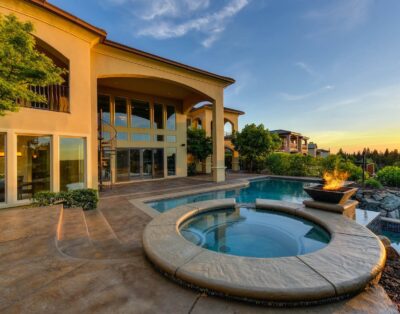
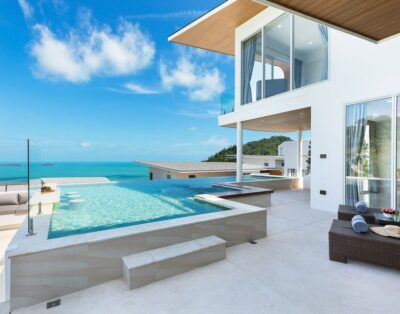
Jávea has some of the finest private villas on the whole Costa Blanca — many with private pools, sea views, and large gardens. If you are looking for a high-quality villa holiday with space and privacy, Jávea is one of the very best destinations on the coast for it.
Best for: Couples, sailing and watersports enthusiasts, villa holidays, walkers, those who want beauty without the crowds of a resort town.
Don’t miss: Cala Granadella (go early or late in summer to avoid queues), the Cabo de la Nao lighthouse at sunset, the Saturday Soler market, the Montgó natural park hiking trails.
Altea: The Artist’s Town
Altea is a different proposition entirely. Its famous old town — La Vila — sits on a hilltop above the sea, crowned by a blue-and-white-domed church that is one of the most photographed sights on the entire Costa Blanca. The streets are narrow, cobblestone, and lined with art galleries, craft studios, independent restaurants, and flower pots overflowing with bougainvillea.
The beaches
Altea’s town beach is pebbly rather than sandy — a significant consideration for some travellers. The stones are smooth and the water is very clean, but sunbathing is less comfortable without a thick mat. North of town, the beaches of L’Alfàs del Pi and Albir are sandier and often quieter than the main town beach in peak season.
The vibe
Artistic, romantic, and authentic. Altea has long attracted writers, painters, and creative types who are drawn to its beauty and relative quiet. It has a strong sense of local identity — the Valencian language is widely spoken — and the atmosphere is genuinely peaceful, even in peak season. It feels more like a real Spanish town than most other places on the coast.
The food
Outstanding. Altea has a disproportionately excellent restaurant scene for a town of its size. The old town in particular has several highly regarded establishments focusing on Mediterranean cuisine, fresh fish, and local produce. A long lunch in Altea’s old town is one of the best things you can do on the Costa Blanca.
Best for: Couples, art lovers, culture seekers, photographers, those who want a genuinely Spanish atmosphere rather than a tourist resort experience.
Don’t miss: Watching the sunset from the old town church steps, the Wednesday artisan market, the seafront promenade walk towards Calpe.
Head-to-Head Comparison
| Feature | Jávea | Altea |
|---|---|---|
| Beach type | Sandy beaches + rocky coves | Pebble beach |
| Atmosphere | Cosmopolitan, expat community | Artistic, romantic, local |
| Accommodation | Exceptional private villas with pools | Boutique apartments and townhouses |
| Food scene | Excellent seafood at the port | Innovative Mediterranean cuisine |
| Watersports | Excellent — sailing, kayaking, diving | Limited |
| Nightlife | Moderate — bars and restaurants | Very quiet |
| International community | Very large — Dutch, German, British | Smaller — mainly Spanish |
| Best season | May – October | Year-round |
| Best for | Couples, families, villa holidays | Couples, art lovers, culture seekers |
The Verdict: Which Should You Choose?
Choose Jávea if:
- You want to swim in extraordinary coves with crystal-clear water
- You are looking for a high-quality private villa with a pool
- You enjoy watersports, sailing, or coastal walks
- You want a cosmopolitan atmosphere with excellent restaurants
- You are travelling as a couple or group who values space and privacy
Choose Altea if:
- You are drawn to genuine Spanish character and architecture
- You want romance, quiet, and beautiful surroundings
- You are an art lover, photographer, or culture seeker
- You do not mind a pebbly beach in exchange for a stunning hilltop setting
- You want excellent food in a genuinely local atmosphere
The good news: they are only 25 kilometres apart. You can easily stay in one and visit the other for the day. We would recommend using Jávea as your base and spending one afternoon in Altea — or vice versa. Either way, you will not be disappointed.
Looking for a Holiday Home in Jávea or Altea?
Browse our verified holiday homes in both towns — direct booking, zero fees, real-time availability. Every property is personally vetted before it goes live.